What we are usually called for in Shingletown
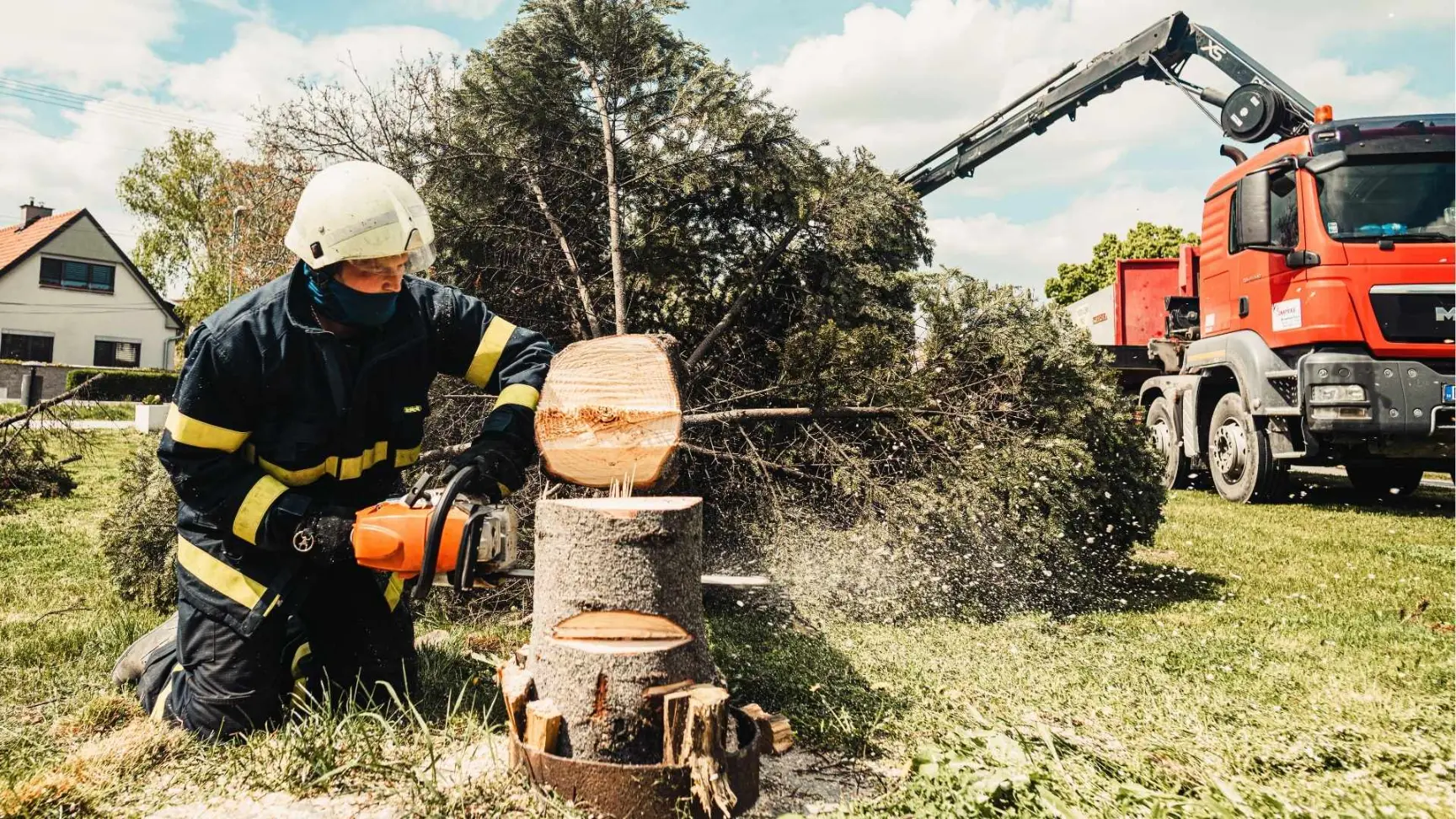
Most of the work here comes down to defensible space around structures, removal of pines that have died back, reduction of heavy limbs over roofs and driveways, and brush clearing on larger parcels.
- A tree is leaning, splitting, or dropping limbs
- Branches are touching a roof, drive, or power drop
- A stump is left over from earlier work
- Brush or weeds have taken over part of the property
- A tree has died back and needs to come down
What the ground is like in Shingletown
Shingletown sits at roughly 3,500 feet on Highway 44, up the grade from Redding and often called the gateway to Lassen. That elevation changes almost everything about tree work compared with the valley floor. Ponderosa and sugar pine, incense cedar and Douglas fir grow tall and close here, black oak fills in underneath, and a lot of homes were built into standing forest rather than cleared ground.
The town takes its name from Shingle Camp, where crews split roofing shingles out of local timber to supply Gold Rush miners. That is not just trivia. It tells you what species dominate and how big they get, and the second-growth stands that came back after the logging era are exactly the crowded, competing timber we are most often called to thin.
Winter matters here in a way it does not in Redding. Snow loads limbs, roads get slick, and a tree that was merely leaning in October can be on a roof by February. Wind through the pines does the rest.
Defensible space at this elevation
Shingletown is inside a Very High Fire Hazard Severity Zone, and it is the kind of place where that designation is felt rather than filed. California Public Resources Code 4291 requires 100 feet of defensible space around structures, treated as two zones: the first 30 feet where dead material comes out and plants are spaced apart, and the 30 to 100 foot band where fuel volume comes down.
In a pine forest that usually means three things. Ladder fuel has to go, so a ground fire cannot climb brush into the canopy. Dead and dying trees have to come out, and after a run of dry years there are more of them than most owners expect. And limbs have to come off the lower trunk and away from roofs and propane tanks.
We are not a fire agency and cannot sign off an inspection. What we can say is that most of what an inspector points at up here is the work on this page, and that it is far easier to stay on top of than to catch up on.
Access decides the price
A big tree in an open field is often an easier job than a smaller one behind a narrow gate, and Shingletown has plenty of the second kind. Long private drives, steep pitch, soft ground in spring, and trees standing between a house and an outbuilding with nowhere obvious to put them. All of that gets looked at before anything is quoted, because it drives the method more than the diameter does.
Where equipment cannot reach, a tree comes down in sections from the top rather than being felled whole. That is slower and it costs more, and it is the right call when the alternative is a pine across a roofline.
What we get called for most
- Dead and dying pines, often in groups, after drought or beetle pressure
- Limbs over roofs, decks, drives and power drops
- Thinning crowded second growth so the remaining trees have room
- Clearing the first 30 feet around a house ahead of fire season
- Storm and snow damage, including hangers left in the canopy
- Stumps left from earlier work, in ground full of roots
Services available in Shingletown